
Policy update
Fall Policy Forum closes with a shared homework assignment: start the paperwork now
Wednesday's briefings on the grassroots-email lobbying rule and the federal grant indirect-cost cap ended with the same instruction to members: don't wait for either rule to take effect before you start keeping records.

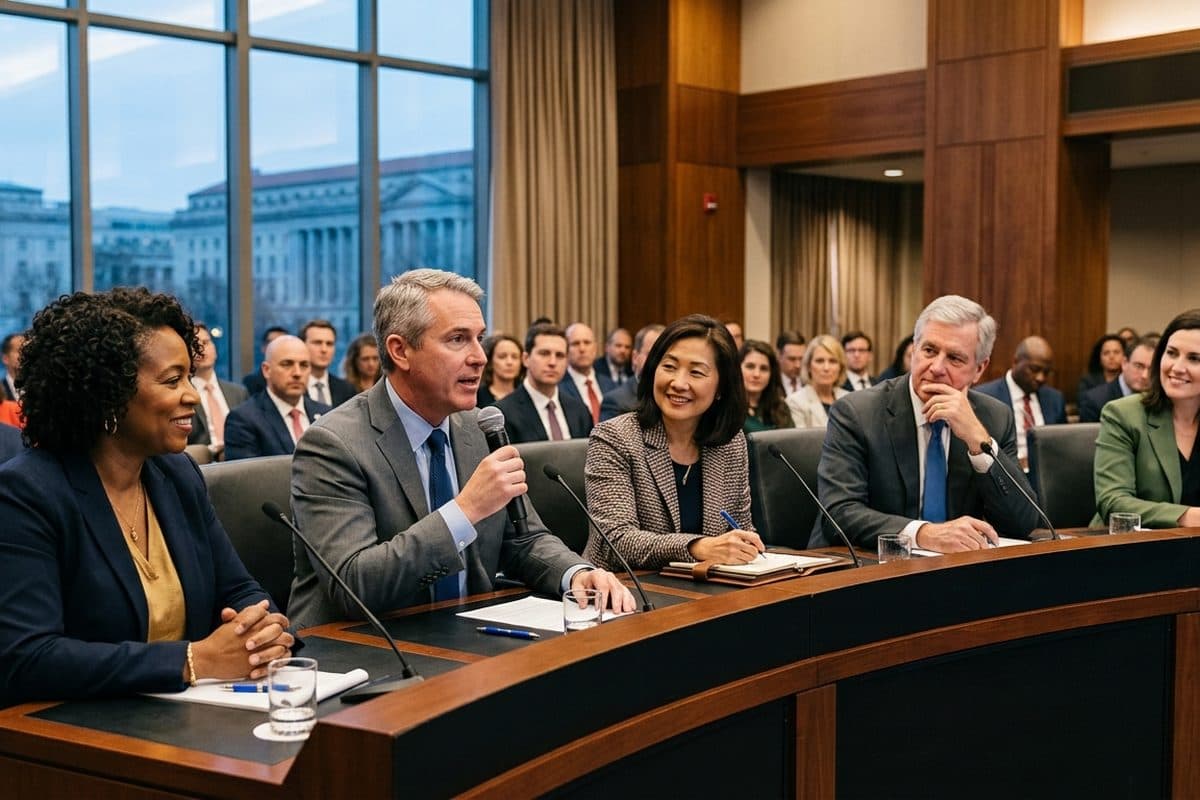
Members filled the briefing room at NANA's National Conference Center this past Wednesday, November 4, for the Fall Policy Forum, where the morning's four sessions covered two live federal rulemakings that could reshape how member associations handle advocacy and grant compliance.
Director of Public Policy Simone Radcliffe opened with an update on the Postal Regulatory Commission docket before handing the morning to Senior Policy Manager Farah Qureshi-Lindgren, who led briefings on the proposed Lobbying Disclosure Modernization rule and the Federal Grant Indirect-Cost Cap. Both proposals, Qureshi-Lindgren told the room, share a common flaw: they apply a uniform standard to associations with wildly different capacity to comply.
On the lobbying-disclosure file, which would count routine "email your senator" campaigns as reportable lobbying contacts for the first time, Qureshi-Lindgren repeated the line she has been making to members since the 2025 Forum: "A grassroots email isn't a lobbying contact today. Under this rule, it could be, and most of you don't have a compliance office built for that." Her ask to the room was concrete: start logging grassroots campaigns now, regardless of how the rule lands, and send NANA's policy team a rough annual count so the association can show regulators the real scale of activity at stake.
The grant-cap session drew the morning's most direct testimony. Obadiah Fenwick, executive director of the Chesapeake Watermen's Cooperative Association, joined Qureshi-Lindgren to describe what a flat 10% indirect-cost ceiling would mean for a three-person office that depends on federal grants to fund fisheries-monitoring work for 48 member co-ops. "You can shrink the direct-cost side of a grant," Fenwick told the room. "You can't shrink rent." Qureshi-Lindgren asked small grantees with negotiated rates above 10% to come back to her team with their own dollar figures rather than general objections, since a specific number carries more weight with the Office of Management and Budget than anecdotal opposition.
Both files remain open for comment. Members who missed Wednesday's session can still review the Lobbying Disclosure Compliance Brief and the Federal Grant Indirect-Cost Brief, and the policy team is accepting member input on both files ahead of the next Fall Policy Forum.