
Season 2, episode 10
The Audit Committee Nobody Wants
Recruiting, running, and surviving your board audit committee.
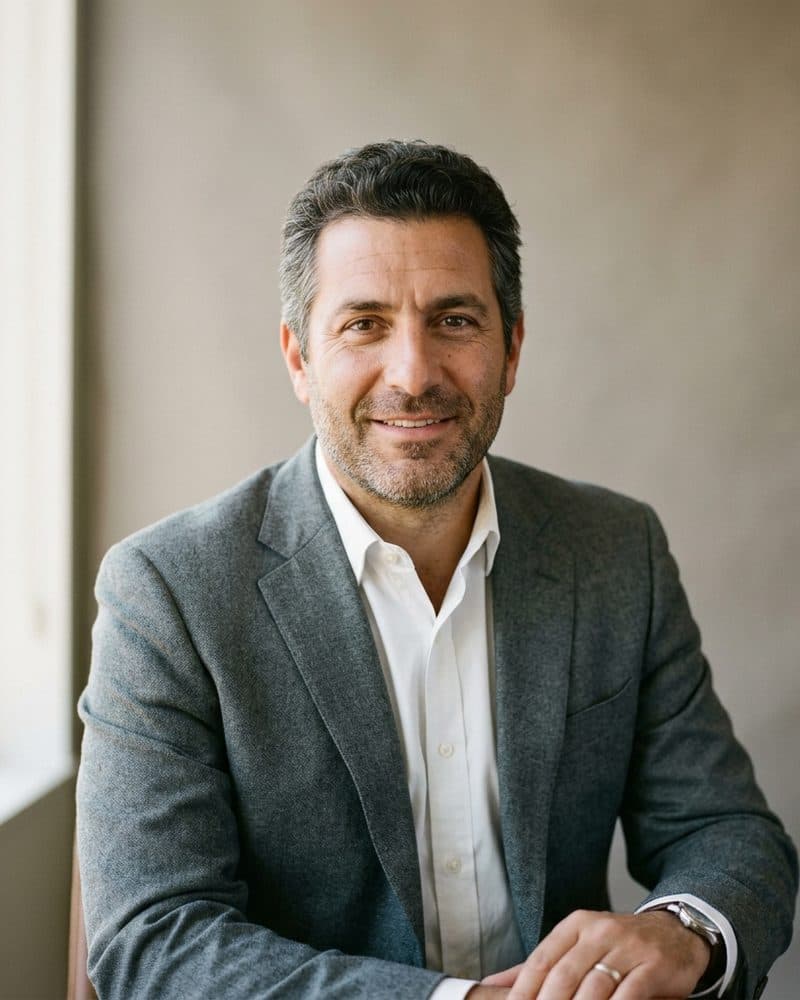
Dominic Ferrante
Vice Chair, National Council of Building Officials

Listen to the episode
The Audit Committee Nobody Wants
In this episode
Board Vice Chair Dominic Ferrante, who chairs NANA's own finance and audit committee, on why nobody volunteers for the job, how he recruits for it anyway, and what an audit committee is actually for beyond signing off on the annual audit.
Guests
Dominic Ferrante — Vice Chair, NANA board; Deputy Executive Director, National Council of Building Officials. Chairs finance and audit.
Chapters
00:00 Intro
01:35 How do you recruit for a committee everyone dreads?
06:10 What the committee actually does between audits
11:20 The meeting nobody wants to run long
16:40 Reading a management letter honestly
21:15 When the audit committee has to disagree with staff
26:00 What a bad audit committee looks like
30:30 Recruiting your own replacement
34:20 Outro
Host: How do you recruit for a committee everyone dreads?
Dominic Ferrante: You recruit before you need them, not after. If you wait until a seat is vacant and you're scrambling three weeks before the annual meeting, you'll take whoever says yes, and whoever says yes on short notice is rarely the person with the financial background the committee actually needs. I keep a running list, year-round, of board members and past directors who've shown some comfort with numbers in other conversations — someone who asks a sharp question about the reserve policy in a full board meeting has told me something about themselves whether they meant to or not.
Host: Why does everyone dread it? It's not the most dangerous committee on the board.
Dominic Ferrante: It's not dangerous, it's just unglamorous. There's no ribbon-cutting, no member-facing win you can point to. You spend meetings on internal controls, management letters, and whether the reserve policy is actually being followed. Compare that to sitting on the committee planning the Summit, where you get to see 1,180 people show up because of decisions you made. Audit and finance is the maintenance work of governance. Necessary, invisible, and nobody applies to a board specifically hoping to do it.
Host: What does the committee actually do between the annual audits, when there isn't a report to review?
Dominic Ferrante: More than people assume. We meet quarterly, and between audits we're reviewing the quarterly financials against budget, checking on the reserve policy Lorraine and Haruko jointly own, and tracking any internal-control recommendation from the last management letter to make sure it actually got fixed rather than just acknowledged. A management letter recommendation that sits unaddressed for two audit cycles in a row is its own kind of finding, even if the auditor doesn't say so directly.
Host: Talk about reading a management letter honestly. What does that mean in practice?
Dominic Ferrante: It means not treating "no material weaknesses" as the same thing as "no problems." Auditors are required to report material weaknesses; they're not required to flag every inefficiency or soft spot they notice along the way, and a good auditor will still mention those in the letter even when they don't rise to a formal finding. I read the whole letter, not just the opinion paragraph, and I ask staff directly about anything mentioned as an observation rather than a finding, because observations are where next year's finding usually comes from if nobody acts on them.
Host: Has the committee ever had to push back on staff, or disagree with a recommendation from the CEO or CFO?
Dominic Ferrante: Yes, and that's the moment that tests whether a committee is doing its job or just rubber-stamping. A couple of years ago Lorraine proposed drawing down the reserve below the policy floor to fund a one-time opportunity, and the committee said no — not because the opportunity was bad, but because the reserve policy exists precisely so that a good short-term case doesn't override a long-term discipline the board agreed to when things were calmer. Staff took it well. That's the sign of a healthy relationship: disagreement doesn't have to be personal, and it's not the committee's job to always agree.
Host: What does a bad audit committee look like, from the outside?
Dominic Ferrante: A committee that meets once a year, right before the audit is presented, reads the summary slide, asks no questions, and moves on. I've seen it at other associations. It technically satisfies the governance requirement to have an audit committee. It does nothing to actually catch a problem before it becomes a crisis, because by the time you're looking at the finished audit, whatever went wrong happened months earlier and the committee had no chance to catch it in progress.
Host: You're chairing the CEO Search Committee as well, on top of finance and audit. Does that additional load change how you think about recruiting your own replacement here?
Dominic Ferrante: It's made me more urgent about it, honestly. I've got two committee chairs running at once, and if I didn't already have a bench of people I'd been quietly cultivating for finance and audit, I'd be in real trouble trying to hand this one off cleanly while the search committee's work is ongoing. I've already had a direct conversation with one board member about joining next year specifically so there's overlap before I'd need to step back from either role.
Host: How big is NANA's committee, and how do you decide who chairs individual reviews versus who just sits and asks questions?
Dominic Ferrante: Four members plus me. Haruko, as treasurer, sits on it by virtue of the office, and two other directors rotate through on staggered terms so we're never replacing the whole committee's institutional memory at once. I don't split up individual reviews among members the way you might split committee work elsewhere — everyone reads everything, because the value of a second set of eyes on a management letter comes from someone approaching it fresh, not from someone who's been assigned to specialize in, say, just the reserve policy and skims the rest.
Host: Nils Haverkamp is on the committee, and he runs a fairly small association himself — the Guild of Freshwater Fisheries Managers. Does a smaller-association background bring something different to the table than someone from a larger organization would?
Dominic Ferrante: It's been one of the most useful additions to the committee in years, honestly. Nils asks questions calibrated to an organization that doesn't have Lorraine's depth of finance staff behind it, which keeps us honest about whether a control we're recommending NANA adopt is actually something a smaller member association could realistically copy. It's easy for a committee stocked with people from large, well-staffed organizations to recommend practices that only work if you already have the staff capacity NANA has. Nils keeps that check alive without anyone having to remind him to.
Host: Last question. If a new board chair somewhere is reading this transcript wondering how seriously to take their own audit committee, what's the one thing you'd tell them?
Dominic Ferrante: Sit in on one of their meetings yourself, at least once a year, even if you're not a member. Not to run it — to see whether it's asking real questions or just going through motions. You'll know within twenty minutes which one it is, and if it's the second kind, that's your signal to go recruit before you need someone, the way I try to.
Host: You mentioned you're already grooming a successor for this chair. Is there a specific skill or habit you look for beyond comfort with numbers?
Dominic Ferrante: Willingness to say the meeting is over when it's over. Some of the best financial minds I've served with on other boards also can't resist re-litigating a line item for forty minutes once they've spotted it, and a committee chair who lets that happen burns out the other members and makes the seat even less appealing to the next recruit. I look for someone who can ask the sharp question, get the answer, and move the agenda forward. That combination is rarer than financial literacy alone.
Host: Dominic, thanks for this one.
Dominic Ferrante: Thanks for having me. Go find your own list of people who ask sharp questions in full board meetings. That's where your next committee chair is sitting right now, whether they know it yet or not.