
Policy update
Federal conference travel limits eased after coalition letter
Federal agencies loosened restrictions on employee attendance at outside conferences, following a coalition letter NANA helped organize.
Federal agencies eased restrictions this month on employee attendance at outside professional conferences, resolving an issue NANA's public policy team had pressed on for more than a year.
What changed
The prior limits, imposed government-wide, capped the number of federal employees who could travel to any single outside conference and required additional layers of pre-approval for events with a registration fee above a modest threshold. Agencies have now relaxed both restrictions: attendance caps are lifted for conferences that meet basic professional-development criteria, and the pre-approval threshold has been raised.
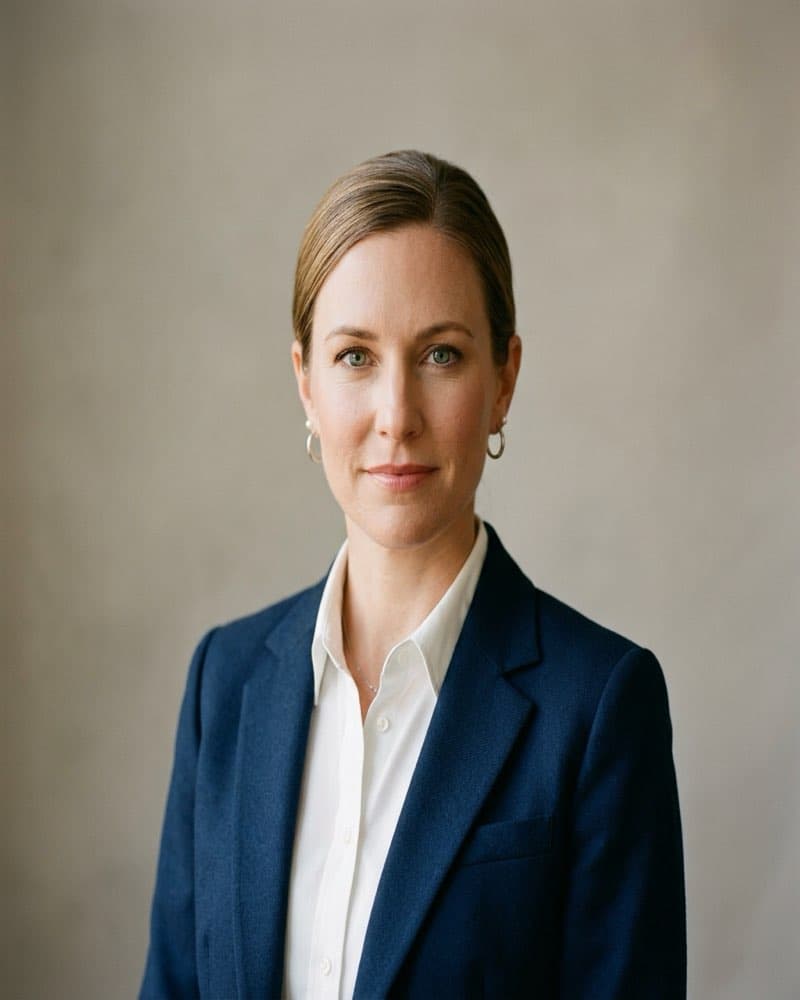
Director of Public Policy Simone Radcliffe said the change followed a coalition letter NANA helped organize and circulate among member associations whose annual meetings depend on federal participation.
Agencies weren't trying to keep their staff away from professional development. The rule was written broadly enough that it did that anyway, and it took a year of specific examples to get it narrowed.
— Simone Radcliffe, Director of Public Policy
What it means for members
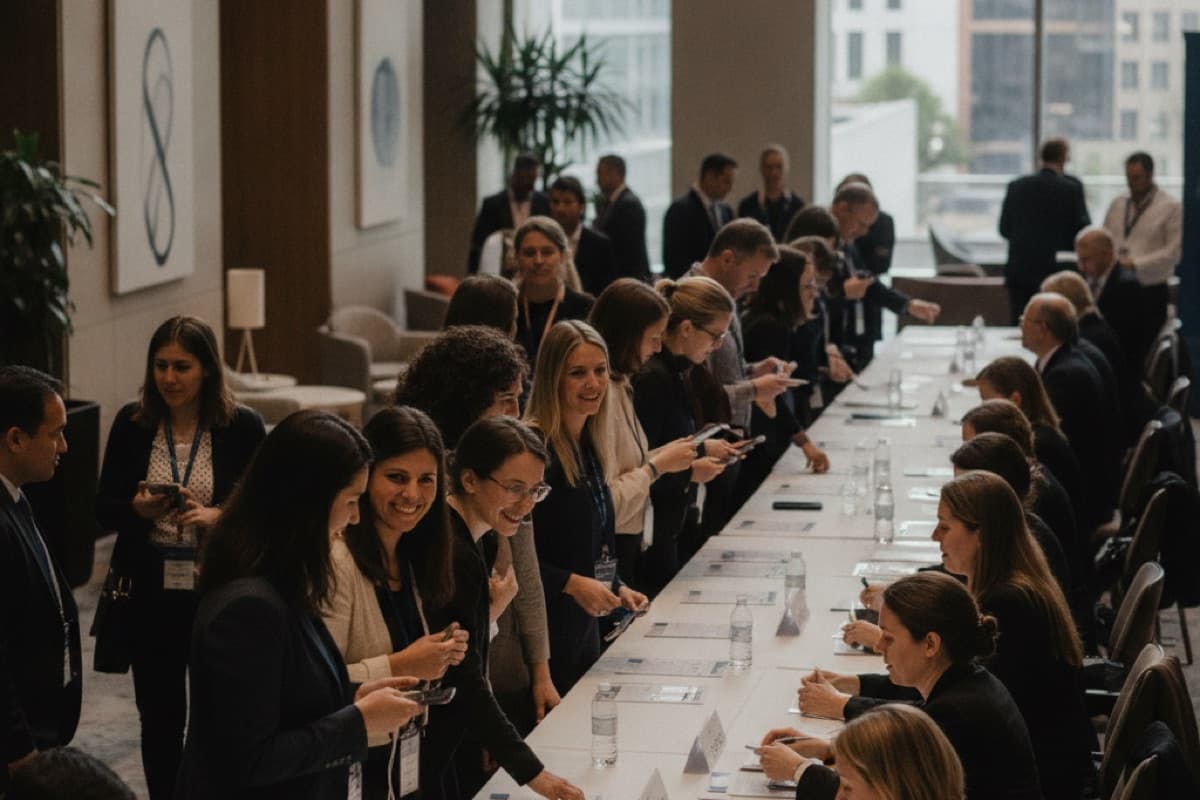
Associations whose meetings draw federal attendees stand to benefit most directly — bodies like the Council of Regional Airport Managers, whose members work alongside FAA staff, or the National Council of Building Officials, whose annual meetings have historically drawn federal code officials as speakers and attendees. For these organizations, the prior caps sometimes meant a federal co-presenter had to withdraw days before an event once an agency's attendance quota was reached.
Associations that build federal participation into panels, keynotes, or working sessions should now find it easier to confirm those speakers further in advance, without the risk of a late agency withdrawal driven by an attendance cap rather than a scheduling conflict.
What to do
Associations planning events with federal speakers or attendees should:
Confirm with the relevant agency's conference-travel office that the new, higher pre-approval threshold applies to their event's registration fee.
Build federal-participation planning into the invitation process earlier, since the eased limits reduce but do not eliminate agency approval steps.
Flag any remaining friction to NANA's public policy team, which will track whether the eased limits hold up in practice over the coming year.
NANA does not expect further rulemaking on this issue in the near term, but Radcliffe's team will continue monitoring agency guidance for member associations whose programs depend on federal participation.
Background on the coalition letter
The coalition letter that preceded this change was organized over several months, drawing signatures from associations across sectors that regularly host federal speakers — transportation, building codes, and public health among them. Radcliffe's team drafted the letter using specific examples members submitted: instances where a confirmed federal panelist withdrew within a week of an event, once an agency determined its per-conference attendance cap had been reached by other staff.
Those specific examples, rather than a general objection to the policy, are what Radcliffe credits with moving agencies to revisit the rule. The Federal Employee Conference Travel policy issue page tracks the resolution and links to the coalition letter itself for members who want the full text.
This resolution closes out one of the smaller items on NANA's active advocacy docket, alongside larger, still-open items like lobbying-disclosure modernization and the proposed federal grant indirect-cost cap.