
Policy update
Proposed 10% indirect-cost cap would hit small grantees hardest
A proposed 10% cap on indirect costs for federal grants to nonprofits would squeeze small association staffs the most, members say.

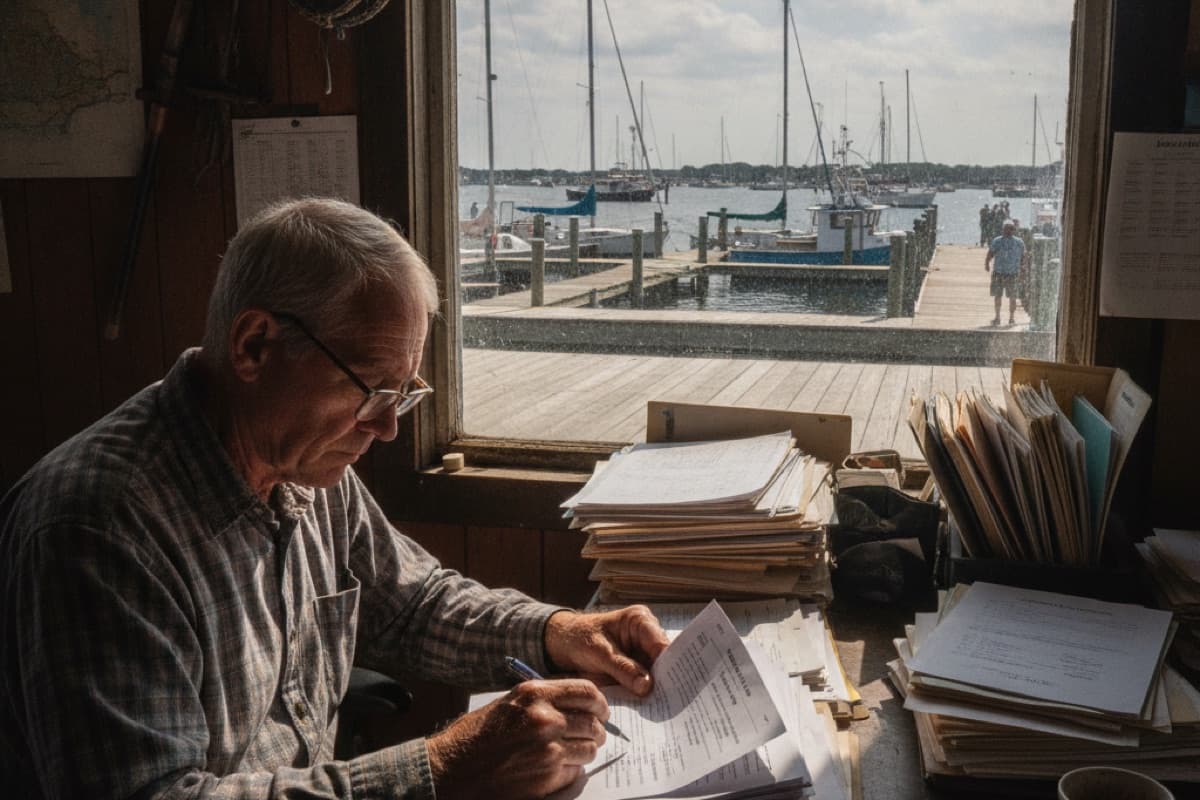
The Office of Management and Budget has proposed capping indirect costs on federal grants to nonprofit organizations at 10% of direct costs. Senior Policy Manager Farah Qureshi-Lindgren, who tracks NANA's federal-grant files, said the cap would hit small association grantees hardest.
What changed
Indirect costs cover overhead a grant doesn't fund directly: rent, accounting, HR, and the staff time spent administering the grant itself rather than doing the funded work. Larger nonprofits typically negotiate a higher indirect-cost rate with the federal government, reflecting the real overhead of running a grant-funded program. The proposed 10% cap would apply the same ceiling regardless of an organization's size or negotiated rate.
What it means for members
A capped rate affects small associations disproportionately, because their overhead doesn't shrink in proportion to a smaller grant. Qureshi-Lindgren pointed to Federal Grant Indirect-Cost Cap for the full policy detail, including the specific proposed language.
Obadiah Fenwick, Executive Director of the Chesapeake Watermen's Cooperative Association, runs a three-person office that relies on federal grants to fund fisheries-monitoring work for its 48 member co-ops. "At our size, indirect costs aren't padding," Fenwick said. "It's the bookkeeper who has to track every dollar to the grant's satisfaction, and the office that has to exist somewhere. A 10% cap doesn't leave room for either."
"You can shrink the direct-cost side of a grant. You can't shrink rent."
— Obadiah Fenwick
Qureshi-Lindgren said her office has heard the same concern from associations well outside the fisheries sector, including several with negotiated indirect-cost rates well above 10% today. A capped rate doesn't just squeeze the current grant cycle, she said — it forces small grantees to either absorb the shortfall out of unrestricted funds they typically don't have, or scale back the grant-funded program itself, since the overhead required to run it doesn't disappear along with the funding for it.
Some larger association members have negotiated indirect-cost rates in the 25–35% range, reflecting real audit, compliance, and reporting overhead built up over years of federal grant administration. A blanket 10% ceiling would apply to those organizations too, though Qureshi-Lindgren said the effect is proportionally smaller for an organization that can spread the same overhead across a larger grant portfolio.
Fenwick said the Chesapeake Watermen's Cooperative Association currently operates under a negotiated rate well above the proposed cap, reflecting the cost of the compliance reporting the federal grant itself requires. If the cap takes effect as proposed, he said the co-op association would have three options: cut the fisheries-monitoring program's scope, absorb the shortfall from member dues that are already stretched thin across 48 small co-ops, or decline future federal grants and rely entirely on member funding. None of the three, he said, is a real solution.
What to do
Read the proposed rule and NANA's position at Federal Grant Indirect-Cost Cap
Calculate what your current negotiated indirect-cost rate is, and how a 10% cap would change it, before commenting
Small grantees with negotiated rates above 10% should file comments with their own numbers — anecdotal opposition carries less weight than a specific dollar impact
The Fall Policy Forum will include a session on the proposed cap, timed to the comment period. The Federal Grant Indirect-Cost Brief walks through how to estimate your own exposure.