News
A three-person staff, one indirect-cost cap, and a trip to Capitol Hill
Chesapeake Watermen's Cooperative Association runs on a staff of three. Executive Director Obadiah Fenwick is coming to NANA's Fall Policy Forum on November 4 to explain why a proposed 10% cap on federal grant indirect costs would hit organizations like his hardest.
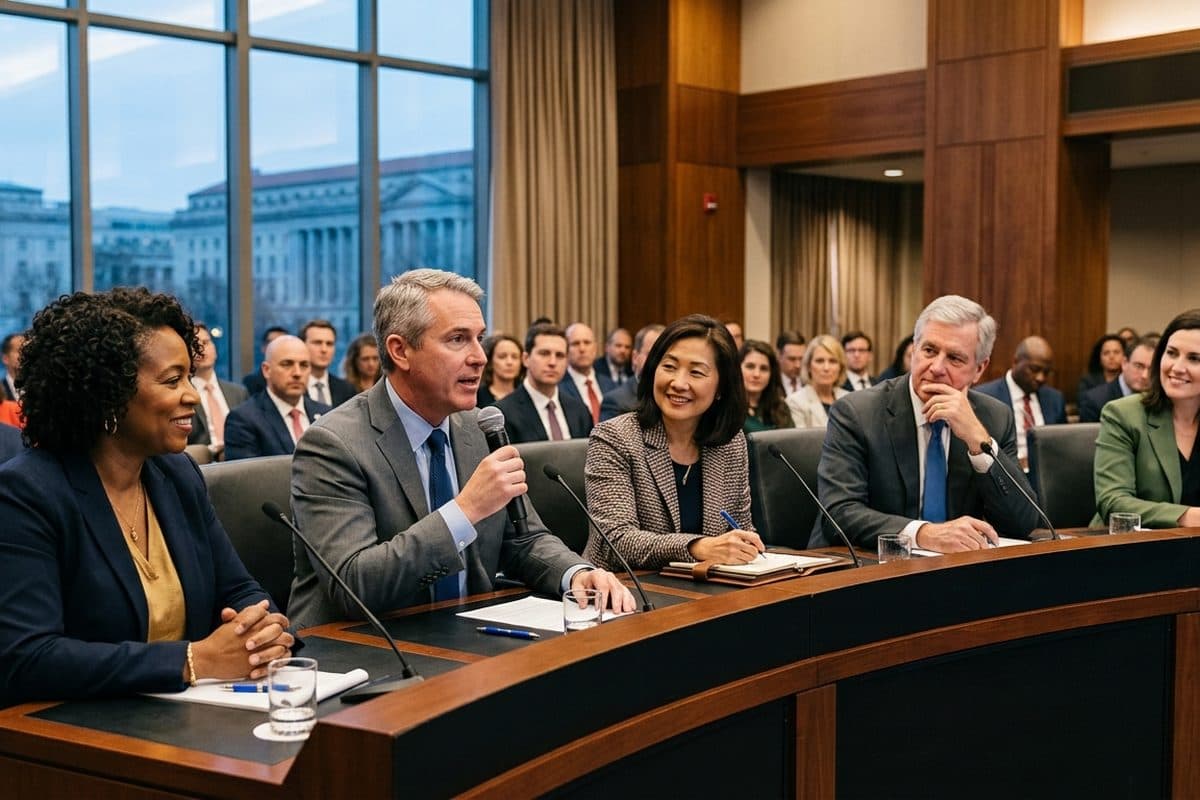
NANA's Fall Policy Forum convenes in Washington, DC on November 4, and its agenda is built around two live policy files: lobbying disclosure modernization and a proposed federal grant indirect-cost cap. Of the four morning briefings, the one on the cap carries the most at stake for at least one member in the room.
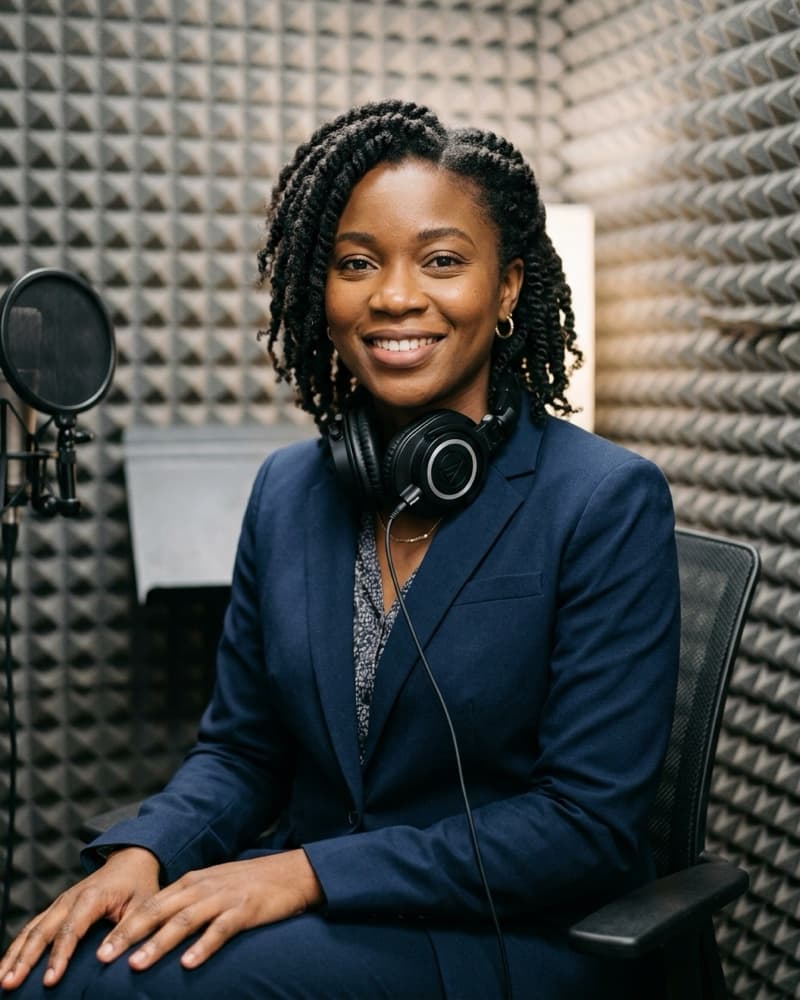
Obadiah Fenwick is executive director of the Chesapeake Watermen's Cooperative Association, a 48-cooperative group of commercial fishing co-ops based in Annapolis, Maryland, run by a staff of three. He has represented Chesapeake watermen before federal regulators for fifteen years and is a familiar voice at NANA's Mid-Atlantic chapter briefings on rural and maritime member concerns. This time he is joining Senior Policy Manager Farah Qureshi-Lindgren for the grant-cap session itself.
The Office of Management and Budget has proposed capping indirect costs on federal grants to nonprofits at 10% of direct costs, regardless of an organization's negotiated rate. Qureshi-Lindgren's team has been tracking the file since it opened for comment, and her analysis is that it disproportionately hits small grantees: overhead, rent, accounting, HR, the staff time spent simply administering a grant, does not shrink in proportion to a smaller award the way direct program costs can.
"You can shrink the direct-cost side of a grant," Fenwick has said of the proposal. "You can't shrink rent."
NANA's research team published a member brief on the cap in September, walking through what it would change and a worked method for calculating an association's own exposure: current negotiated rate, what the 10% ceiling would change about dollars actually recovered, and how to frame that gap in specific dollar terms rather than general objection. The Fall Policy Forum session was timed to the comment period the brief describes.
Hill meeting requests for the Forum closed on October 21, the two-week window congressional staff need to confirm availability. Briefing registration remains open. The Forum runs 9:00 a.m. to 1:00 p.m. Eastern, hybrid between NANA's National Conference Center and a livestream, and members who can't attend the full morning may register for the grant-cap session alone. The morning earns up to three CAE credit hours.